



Introduction
As tariff tensions reshape U.S. economic policy, American companies are increasingly turning to business process outsourcing (BPO) to protect cost structures, sustain business activity, and maintain global competitiveness. The current status of tariff rates, retaliatory tariffs, and unresolved trade talks—especially between the U.S. and the Chinese government—have disrupted traditional supply chains and raised the cost of doing business globally.
The Philippines, a long-standing leader in BPO, has emerged as a strategic outsourcing hub for U.S. firms re-evaluating their offshoring strategy.
Philippines BPO for U.S. companies offers a resilient, cost-effective solution for U.S. companies aiming to navigate the complexities of modern trade policies and broader economic challenges. By shifting services such as customer service operations and IT to the Philippines, American companies can make informed decisions and offset the financial pressure caused by tariff increases, import tariffs from foreign countries.
Why U.S. Companies are Rethinking Global Operations
In 2025, U.S. trade policy continues to evolve with rising tariff on imports from key trading partners, impacting everything from manufactured goods to services. These changes have led to additional tariffs on key sectors, including tariffs on steel and technology-related imports.
For international companies in tech and other service-driven industries, the increased costs of global operations is prompting American businesses to reassess their global operations, as the effects of tariffs disrupt both manufacturing and service supply chains.
The rising costs associated with reciprocal tariffs and the trade deficit are encouraging companies to diversify supply chains and consider new strategies for cost management, including outsourcing to more favorable regions.
As American companies try to shield their domestic industry and domestic producers, many are choosing Philippines BPO for US companies, which are not directly impacted by these escalating tariff increases.
The Philippines: A Strategic BPO Destination
The Philippines offers several advantages for U.S. outsourcing, especially in the current trade climate:
- Cost efficiency compared to U.S.-based operations
- Skilled workforce equipped with high English proficiency levels and seamless communication skills
- Cultural compatibility with the American market
- Political and economic stability
- Proactive government support for the BPO companies
As a result, the country is attracting a growing share of outsourcing from sectors hit hardest by tariffs on imports, technology transfer restrictions, and changes to industrial policies globally.

The Philippine Outsourcing Industry
The Philippine Business Process Outsourcing landscape is projected to generate US$791.29 million in revenue by 2025 and grow at a CAGR of 8.72% through 2029—driven in part by increased demand for Philippines BPO for U.S. companies seeking experienced Filipino professionals with extensive experience, or adjusting to shifting trade deal dynamics.
How Tariffs Drive BPO Strategy Shifts
Rising tariff rates and retaliatory tariffs create ripple effects across industries. While many think of manufacturing jobs when it comes to trade disruptions, service industries are equally affected. Tariffs on steel, for example, increase industrial production costs that flow downstream into service areas like logistics and finance.
American companies are now seeking tailored solutions such as:
- Outsourcing financial services such as financial compliance
- Shifting healthcare RCM and customer support functions offshore
- Moving IT and software development to lower-cost regions
- Seeking stability amid foreign country policy shifts and tech decoupling
Among other outsourcing destinations, the Philippines has become an attractive alternative, not only by providing skilled professionals, and cost savings with its affordable outsourcing solutions, but also by offering operational stability while mitigating risks associated with unfair trade practices and evolving economic policy.
Looking for a Strategic Way to Offset Tariff-Related Cost Pressures?
At Connext, we help U.S. firms adapt to global shifts, including tariff increases and volatile trade talks. Our flexible outsourcing model in the Philippines provides high-quality services without high operational costs, and other the risks tied to traditional BPO providers.
Discover how Connext helps you navigate tariff pressures with offshoring though Philippines BPO for US companies.
Why the Philippines Stands Out Among BPO Hubs
The Philippines offers:
- Strong U.S. cultural affinity and workforce alignment
- Advanced use of cloud-based, contact center platform and other cutting-edge technologies
- Reduced exposure to contentious trade deals
- A stable environment for long-term service partnerships
This makes it a prime destination for captive offshoring solutions and agile outsourcing experience designed to adapt to new tariffs on imports, especially in industries vulnerable to changing industrial policies and technology transfer regulations.
How Connext Helps U.S. Businesses Outsource with Confidence
Connext builds custom offshore teams in the Philippines that help U.S. firms:
- Scale operations efficiently
- Reduce exposure to global trade volatility
- Safeguard data and ensure full compliance measures with U.S. regulations
- Offset costs tied to average tariffs and additional tariffs
From healthcare providers to tech firms, our clients hire Philippine-based agents and outsourcing professionals with specialized skill sets at Connext to support business operations, promote business growth, protect margins and maintain business continuity.
Let’s discuss your outsourcing strategy today.
Work with Connext to Build a Resilient Global Strategy
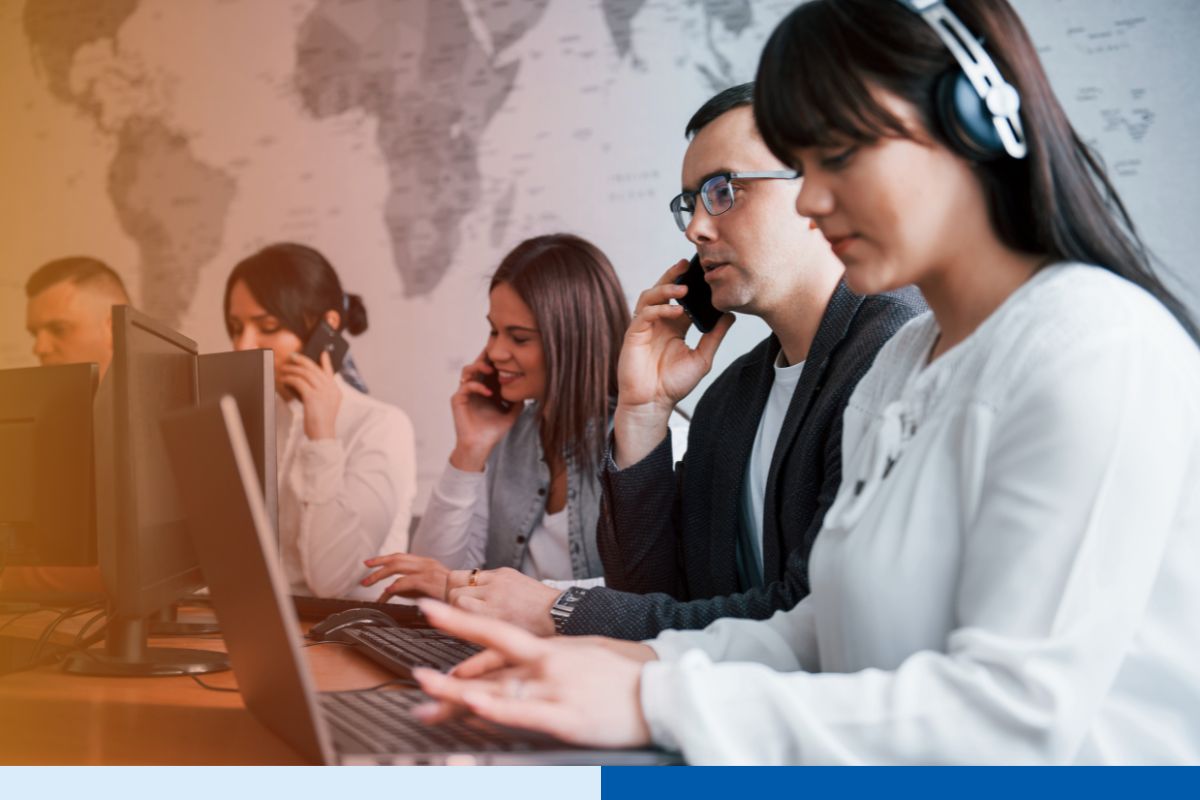
Whether you're navigating tariff increases, supply chain pressures, or shifting economic policy, Connext can be your outsourcing partner that provides cost-effective customer support teams and call center outsourcing services in the Philippines that provide consistent service quality and help future-proof your business.
Schedule a consultation and see how we can help future-proof your business.
Like what you’re reading?
Add Connext as a preferred source on Google — it only takes a moment and helps more professionals find our content.




You're done. Thank you!