Nurses, care coordinators and data analysts who watch the readings, chase the non-adherent patients and keep the documentation clean, so your RPM program bills what it earns.
Quick answer
A remote patient monitoring team runs an RPM program between visits. The work includes enrolling patients and setting up their devices, watching readings arrive against the thresholds you set, calling patients who stop transmitting, escalating what is clinically meaningful to your care team, logging the minutes the program has to document, and keeping the records the monthly claim depends on. Connext's teams do this inside your platform and under your escalation rules.

A remote patient monitoring team keeps the program running on the days the patient is not in front of a clinician.
Patients take readings at home on connected devices. Somebody has to watch those readings arrive, call the patient when a device goes quiet or a number moves, log the minutes the program requires, and have the documentation ready when the month closes for billing. Most of that work is not clinical judgment, and it runs every day whether or not anyone is assigned to it.
Connext RPM Teams are the nurses, coordinators and analysts who do that work all day, inside your platform and under your escalation rules.
Monitoring is not one job. It is a small team with different skills, and most programs stall because one of these seats is empty.
Reviews incoming readings against your thresholds, triages what is clinically meaningful and escalates to your care team on the path you define.
Enrollment, device setup support, scheduling and the follow-up calls that keep patients in the program past week three.
Adherence reporting, trend analysis across the panel and the monthly data that billing depends on.
Outreach to patients who stop transmitting, in the language they speak, before the gap costs you the billing period.
Documentation in the EMR, time tracking against the billing requirement and the administrative record behind every claim.
Scheduling and preparing virtual visits so the monitoring data reaches the clinician before the consultation, not after.
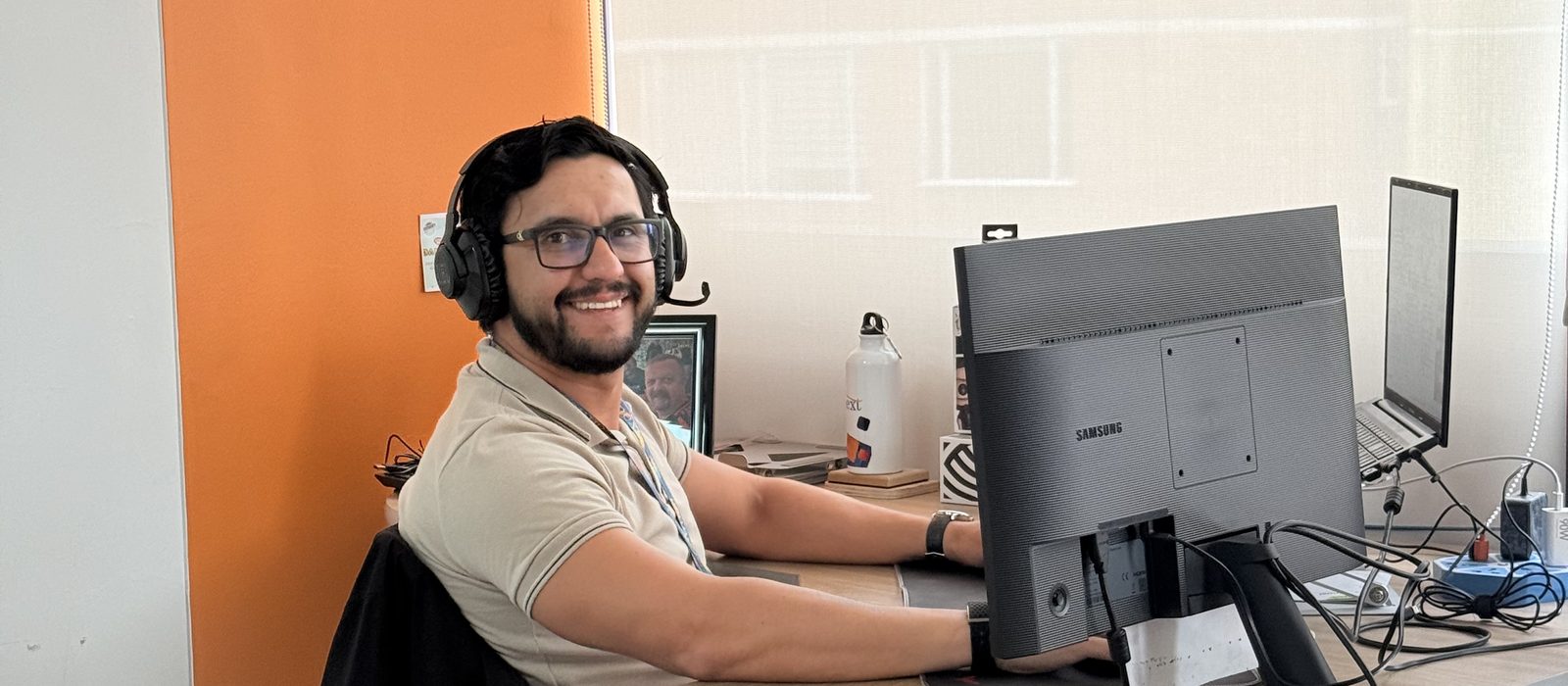
When the program is staffed, the readings get watched and the minutes get logged. When it is not, both stop quietly.
Enrolled patients stop transmitting and nobody notices for weeks. Minutes go unlogged, so the month closes short of the threshold and the encounter cannot be billed. The readings that do arrive sit unreviewed, which is the part nobody wants to explain afterwards. An RPM program rarely fails loudly. It just stops producing the data it was built to produce, and the revenue that was meant to pay for it never appears.
RPM economics are thin enough without finding out the fee schedule after signing.
Connext charges one management fee that covers recruitment and onboarding of healthcare-trained RPM staff, Employer of Record and compliance, HIPAA-ready facilities and connectivity, and ongoing performance management. The reason to state that plainly is that the alternative is common: infrastructure and facility charges per professional, separate compliance and EOR line items, and buyout penalties if you later decide to hire someone directly.

Facilities, devices and connectivity sit inside the management fee rather than arriving as a per-professional add-on.
Employer of Record, local employment compliance and HR support are part of the model, not a second invoice.
If you want to hire a team member directly later, you can. There is no buyout fee standing in the way.

One predictable number per role makes the program's return something finance can model instead of estimate.
You define what reading triggers what response. The offshore team applies it and documents every escalation.
Interpretation and the decision to intervene belong to the clinician responsible for that patient.
The team keeps the time records and documentation that support the claim. What gets submitted is approved on your side.
Outreach happens in your name, on scripts you approve, and hands back to your staff whenever the conversation turns clinical.

See how a behavioral health billing company scaled from 37 to 66 facilities with strong reimbursement, compliance, and quality performance.
Find out more

Build offshore teams for order processing, invoicing, picking tickets, and accounting support. Scale your food distribution business faster.
Find out more
See how a U.S. IT company replaced a costly contractor with a structured offshore service desk — starting with just two hires. Download the case study.
Find out more